10-07-2025
In 1997, the return of Steve Jobs as CEO of Apple made headlines. His reputation soared when news broke that he was taking a symbolic $1 annual salary — placing him in the same league as Lee Iacocca, who famously turned around Chrysler under similar terms. But the savior of Apple had another way to capitalize on his efforts.
On January 19, 2000, Apple announced it had granted Jobs options to purchase 10 million shares at the market price on the grant date. A board member clarified, “Steve’s stock options were granted a week ago at the then‑market price.” Strikingly, the stock had already risen from $87 to $107 during that week — meaning the options had gained $20 × 10 million = $200 million in value.
Jobs’ fortuitous timing wasn’t unique. For nearly a decade, corporate America harbored a dirty secret. In 2003, I reviewed thousands of option grants awarded to top executives. Time and again, grants were issued precisely when stock prices hit rock bottom, effectively lining the pockets of already wealthy executives. The evidence pointed to a surprisingly simple scheme: backdating option grants to days with low stock prices.
I passed the baton to the SEC and The Wall Street Journal. A massive investigation followed, leading to lawsuits, congressional hearings, the dismissal of at least 70 corporate executives and a Pulitzer Prize for Public Service awarded to The Wall Street Journal in 2007.
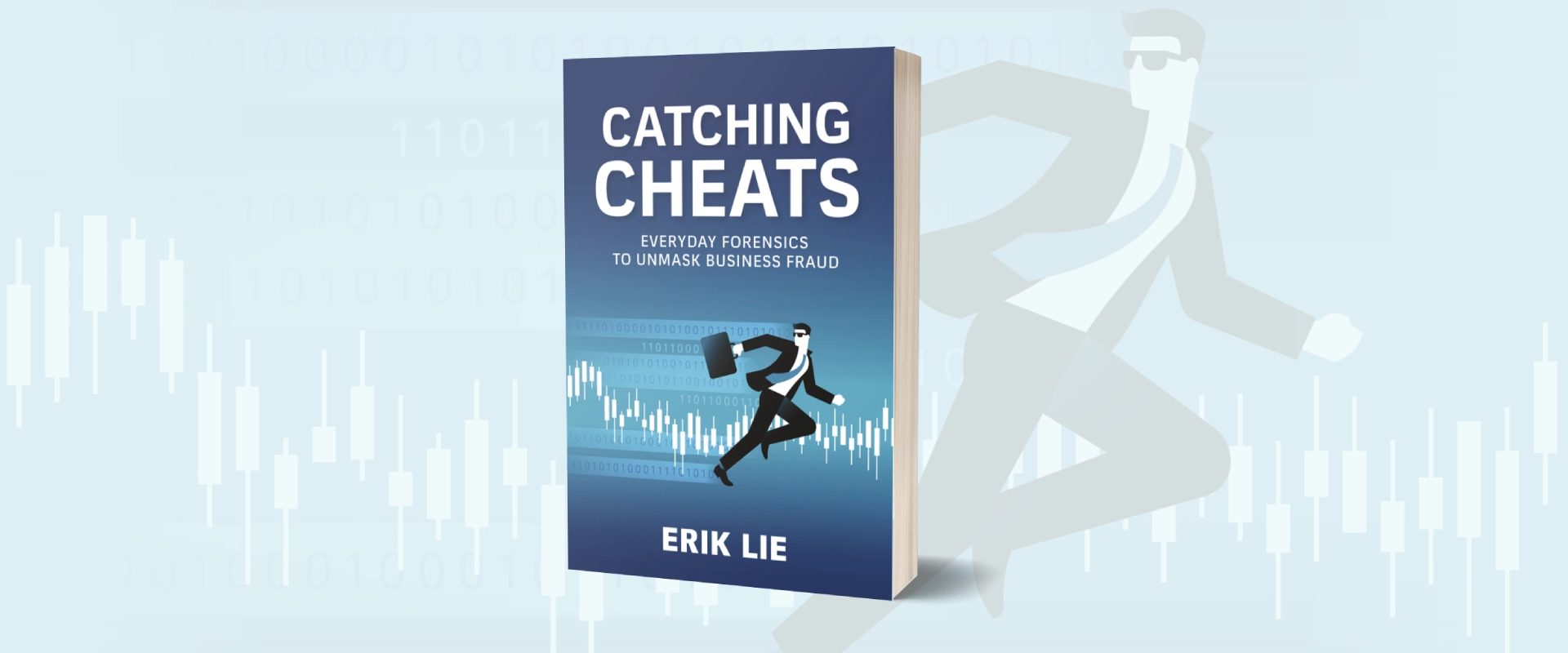
The option backdating scandal is just one example of how data can uncover systematic fraud. Catching Cheats: Everyday Forensics to Unmask Business Fraud takes readers on a journey through the murky world of corporate deception. Blending forensic economics with narrative storytelling, it reveals many of the methods used to mislead investors and the public.
Take the case of "salami slicing" — a fraud so subtle that victims often don’t even realize they’re being robbed. You’ve seen it in Superman III (Richard Pryor) and Office Space (Ron Livingston), where perpetrators skim tiny amounts from millions of transactions. But the boldest real‑world version unfolded in the NASDAQ market, where dealers colluded to siphon money from shareholders — big and small — for years.
The scheme was brilliant in its simplicity: They kept the bid–ask spread (the difference between the prices at which you can buy and sell stock) at a minimum of 25 cents. It took two academics to document the predominance of 25‑cent spreads in the data and expose the scheme. Even then, the allegation of fraud was so contentious it sparked an academic conference the media dubbed “WrestleMania.”
Don’t worry if math isn’t your superpower. The book is packed with entertaining stories and whimsical illustrations — like Eliot Spitzer as the Sheriff of Wall Street and Bernie Madoff’s house of cards collapsing — to make the material accessible to everyone.
Whether you’re an aspiring researcher, seasoned journalist or curious truth‑seeker, Catching Cheats will inspire readers to look beyond the surface and question the integrity of the financial world. You’ll come away feeling a bit smarter — and some may even feel compelled to join the free press, research community or online forums in exposing corporate shenanigans.
Erik Lie earned his doctorate in 1996 from Purdue under the guidance of legendary finance professor John McConnell. Lie is the Amelia Tippie Chair in Finance at the University of Iowa and was named by Time magazine among the “2007 Time 100” for his work uncovering corporate fraud. His new book, Catching Cheats: Everyday Forensics to Unmask Business Fraud, goes on sale today.