11-12-2026
What if, at the end of the day, the best measure of productivity may not be “How much did I finish?” but “How much of my thinking is reflected in what I produced?”
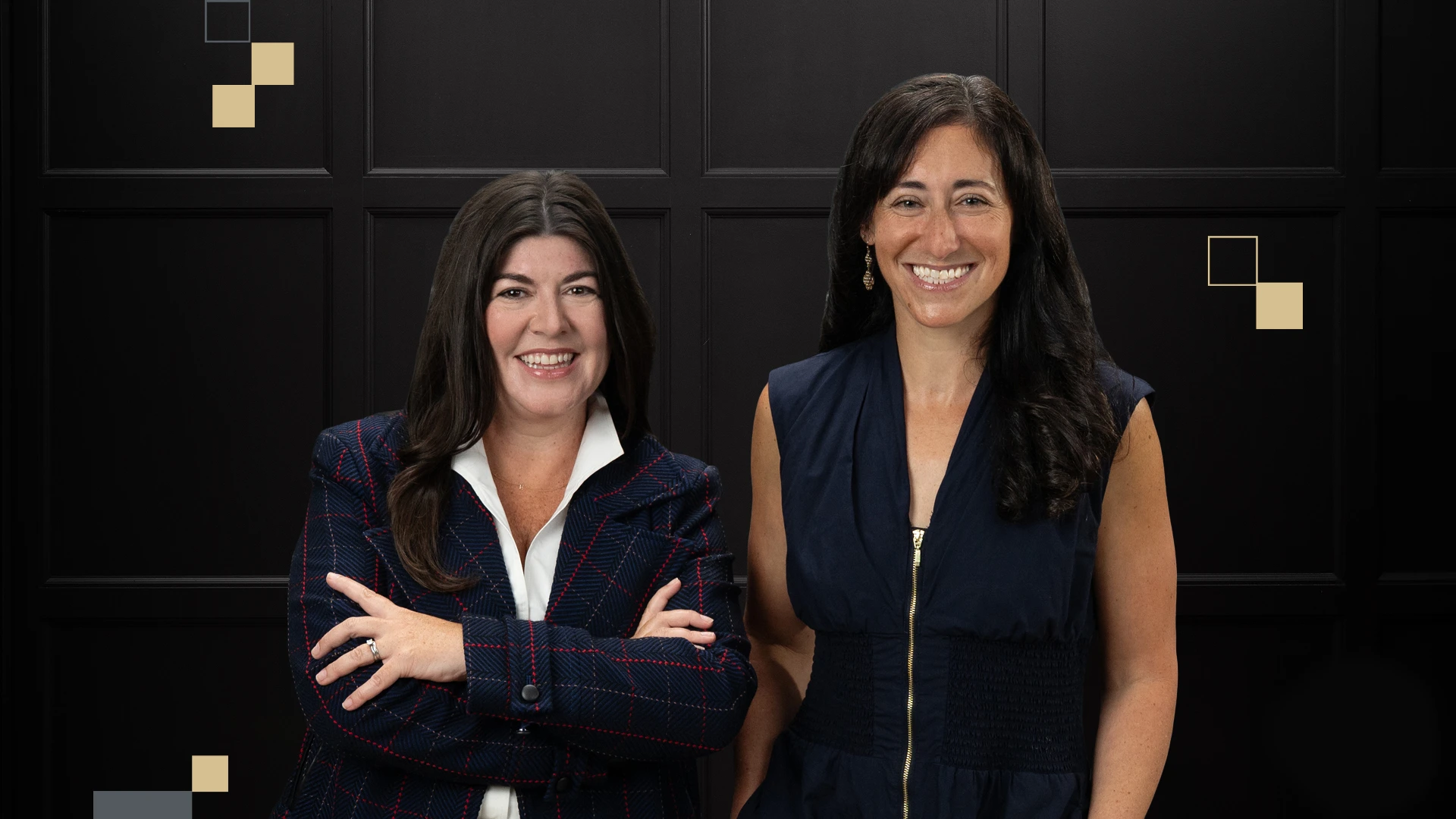
In a recent episode of "This Is Purdue," Daniels School of Business faculty members Allie Gabriel and Kate Zipay challenge the assumption that faster output and constant activity equal meaningful progress. Building psychological ownership matters. It's the reason we should protect our attention rather than dividing our focus or outsourcing our thinking to AI.
What happens, asks Gabriel, when someone wants to understand the reasoning behind our work. If we cannot explain how we reached a conclusion, the output may be finished without becoming something we understand or genuinely own. The next day, we'll have to work harder or keep up an act to maintain the veneer of productivity.
Multitasking, Gabriel and Zipay say, presents a parallel problem. We all think we're better at it than we actually are. We think we can attend that Zoom meeting and edit a document simultaneously, but Gabriel describes how “attention residue” keeps part of our thinking attached to the previous task. We appear engaged but actually we are withholding the sustained attention the work deserves.
Zipay notes that embracing focus matters when we have difficult problems and escaping into a phone whenever the work becomes uncomfortable delays the solution.
In this episode Zipay and Gabriel, both faculty in the Center for Working Well, encourage us to protect focus for demanding tasks, reduce digital temptations and match work to available energy.

