08-20-2026
Former U.S. Surgeon General Vivek Murthy called loneliness a public health epidemic, and it’s not just a personal issue. It’s also a workplace one. New research from my co-authors and me makes a point that should reframe how leaders think about it. While personality plays a role in who feels lonely, the structure of modern work is doing a lot of the damage itself.
For years, workplace loneliness has been treated as an individual problem. It’s something that quiet, introverted and struggling employees deal with privately. My co-authors Julie McCarthy (University of Toronto), Berrin Erdogan (Portland State University), Selin Kudret (University of Reading), and Emily Campion (University of Iowa) and I completed a comprehensive review of more than 200 studies on work and loneliness. We found that loneliness is just as much a product of how organizations design work as it is a trait of the people doing it. Remote and hybrid arrangements, constant video calls, heavy technology use, unstable or part-time employment, and even promotion into leadership roles all show up as reliable predictors of loneliness at work, regardless of who you are.
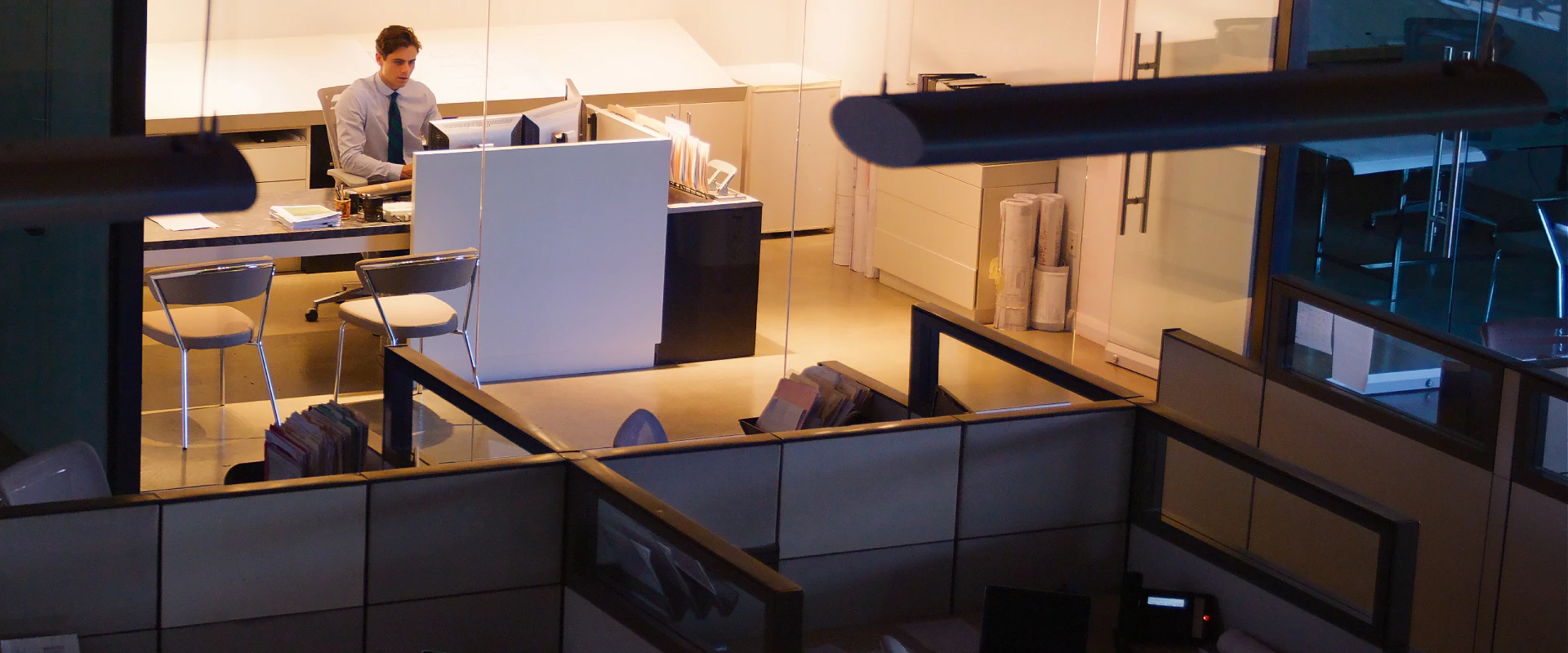
This isn’t simply about being physically alone. Loneliness is the gap between the connection people want and the connection they actually have, and you can feel it in a packed open-plan office as easily as in a home office. Busy, fast-paced workplaces can be especially deceptive as people are surrounded by colleagues all day, yet many report little genuine connection. The pace of modern work with back-to-back meetings, Slack pings, and “Zoom fatigue” can crowd out the unscripted, low-stakes interactions (a coffee-line chat, a walk to lunch) that actually build relational depth over time.
Loneliness at work is linked to lower performance, reduced engagement, more counterproductive behavior, higher turnover intentions, and worse mental and physical health for employees, and the effects don’t stay contained to the individual. Research on leader loneliness shows it can ripple outward, eroding trust and weakening team relationships, while team-level “loneliness climates” have been associated with lower group performance.
Four out of five UK adults agree that almost everyone experiences loneliness at some point, yet over three-quarters believe people feel ashamed to admit it. That stigma is itself a barrier as employees who are struggling often won’t say so, and colleagues rarely ask. People also tend to misjudge who’s at risk. Surveys show the public significantly overestimates loneliness among older adults and underestimates it among people under 25, even though younger employees and full-time workers report some of the highest rates.
So, what actually helps? The research points to a few concrete levers. Autonomy over when and how work gets done is consistently linked to lower loneliness, as is genuine support from managers and coworkers. Managers who show compassion and empowering leadership measurably soften the effects of loneliness on creativity and burnout. Smaller, evidence-backed interventions, stress-management training, social-skills coaching, volunteering programs, and even brief mindfulness practices, have shown reductions in workplace loneliness, particularly when paired with intentional, recurring opportunities for unstructured social contact.
The solution isn’t scheduling another mandatory happy hour. Rather, it’s to look at the actual architecture of work, meeting load, autonomy, technology defaults, how remote and in-person time is structured, and to ask whether it’s built for genuine connection or simply for proximity. Loneliness is a work design problem, and that means it’s a fixable one.
Talya N. Bauer, PhD, is the Cameron Professor of Management at Portland State University and a leading expert on relationships at work, especially new hire onboarding, leadership, and employee socialization. An award-winning teacher and researcher, she consults with government, Fortune 1000, and start-up organizations. Her work appears in top journals and has been featured in outlets such as The New York Times, Harvard Business Review, USA Today, and NPR's All Things Considered. She is a Fellow of SIOP, APA, AoM, and APS and serves as Associate Editor for the Journal of Applied Psychology.