10-26-2026
The most consequential conversation at the Brush Creek Ranch Frontier Summit, says John Krenicki, was the candid, unvarnished conversation about eroding trust in capitalism. The session, “Whither Capitalism? Thriving, Surviving or Self-Destructing?” — moderated by William D. Cohan, a founding partner of digital media company Puck — featured Luigi Zingales, professor of entrepreneurship and finance at the University of Chicago Booth School of Business, and Adam Posen, president of the Peterson Institute for International Economics.
Cohan, Zingales, and Posen addressed the “issues, disconnects and views” behind the “K economy,” so-called when different parts of society and industry diverge sharply in economic outcomes, like the arms of the letter K.
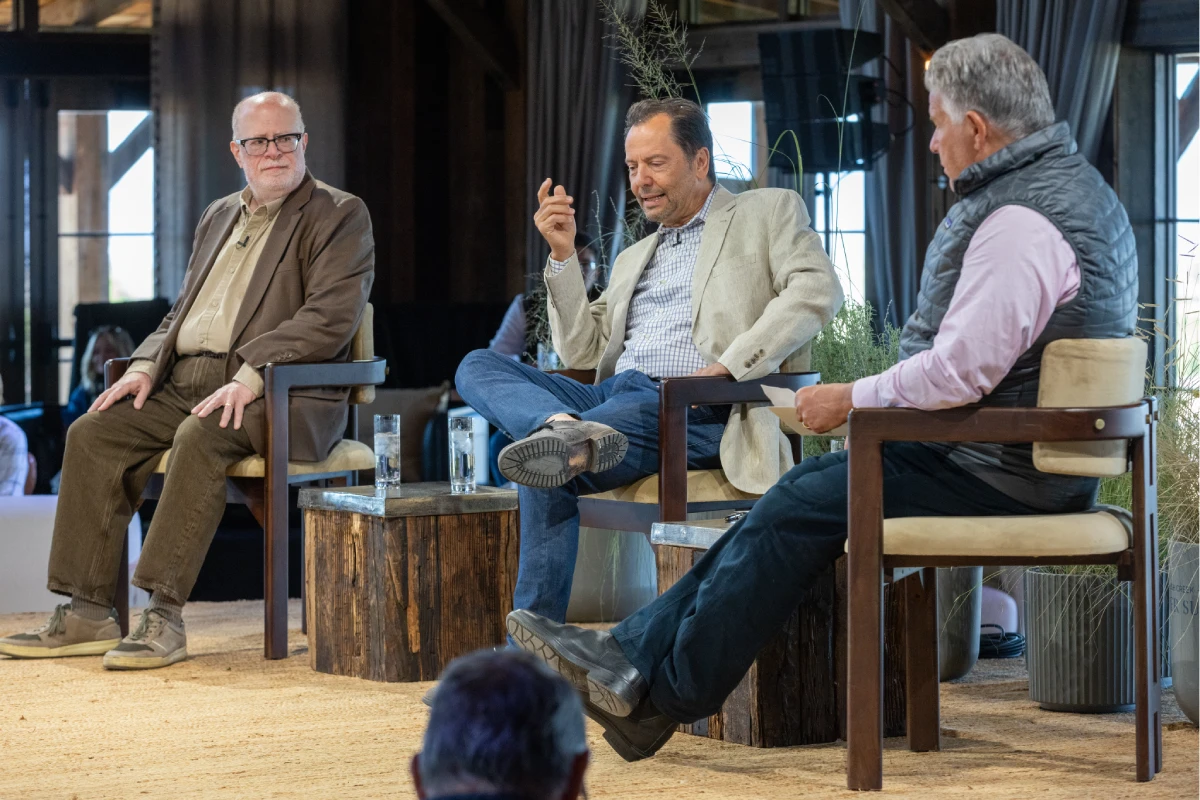
Krenicki, who helped Purdue found the Krenicki Center for Business Analytics and Machine Learning, said his and other attendees' consensus was that “capitalism will erode without public trust.”
For Krenicki, the three takeaways from the August 2026 event in Wyoming are that, first, corruption is corrosive. Left unchecked, it undermines the public and private institutions on which a healthy market economy depends. When people conclude that rules are applied selectively, that powerful interests receive preferential treatment or that opportunity is reserved for a shrinking number of participants, confidence in the system erodes.
Second, the same applies to concentration risk. The big are getting bigger, particularly in technology, and we need to address the implications for meaningful competition. A vibrant capitalist system depends on innovation, entrepreneurship and the ability of new entrants to challenge established players.
Third, the conversation reinforced a broader concern: America must confront its global competitiveness. Educational reform, institutional trust, credible rules, strategic foreign policy and a lower debt burden are critical issues that deserve more direct attention from business leaders, policymakers and educators.
Finally, for younger Americans facing housing affordability challenges, student debt, inflation and uncertainty about economic mobility, the American Dream can feel increasingly out of reach. Their skepticism should not be dismissed. It should be understood as a call to make the system work better, more fairly and more credible.
Krenicki says that will require leaders who understand both markets and technology. It will require more tech-savvy political and regulatory oversight. And it will require a renewed commitment to the principles that allow capitalism to create broad-based opportunities.
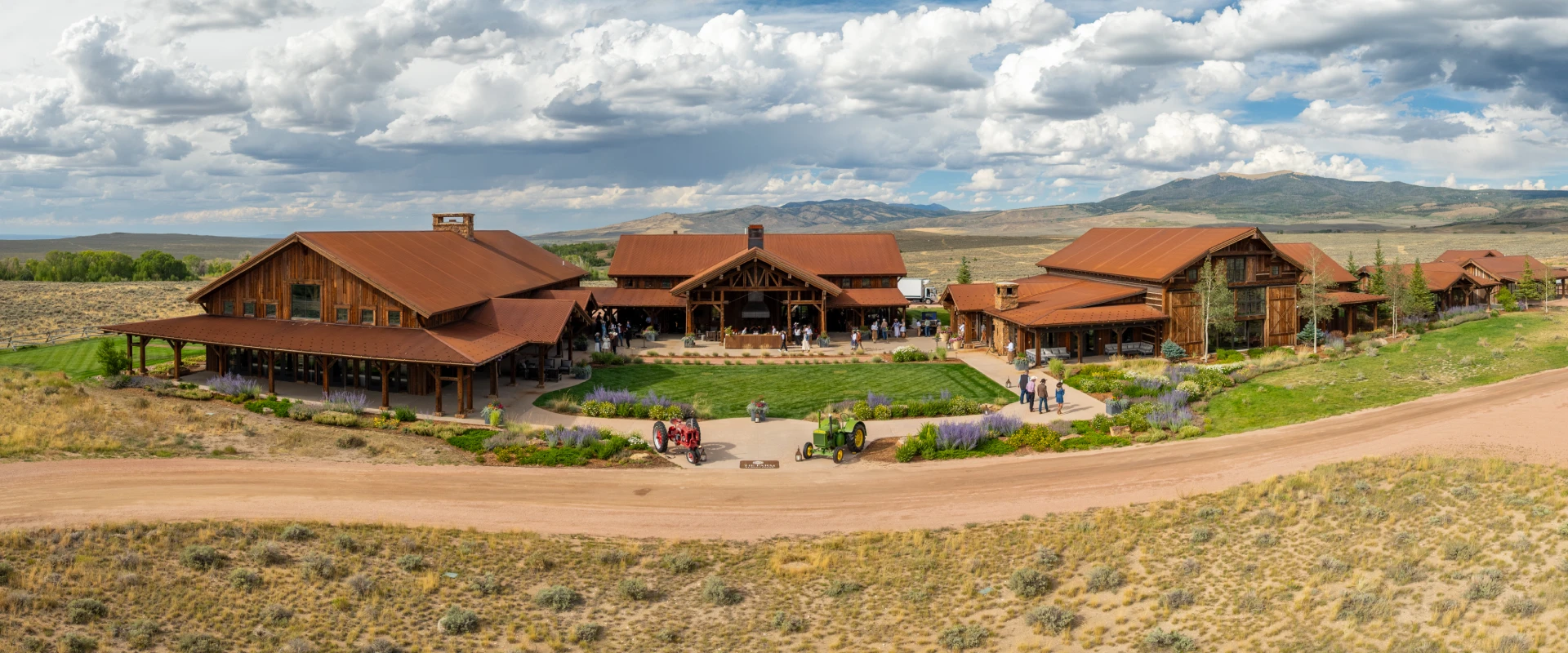
The White Family Foundation and Purdue created the Summit at Brush Creek Ranch for committed leaders who want to have honest conversations about the challenges of the present and future.

