07-30-2026
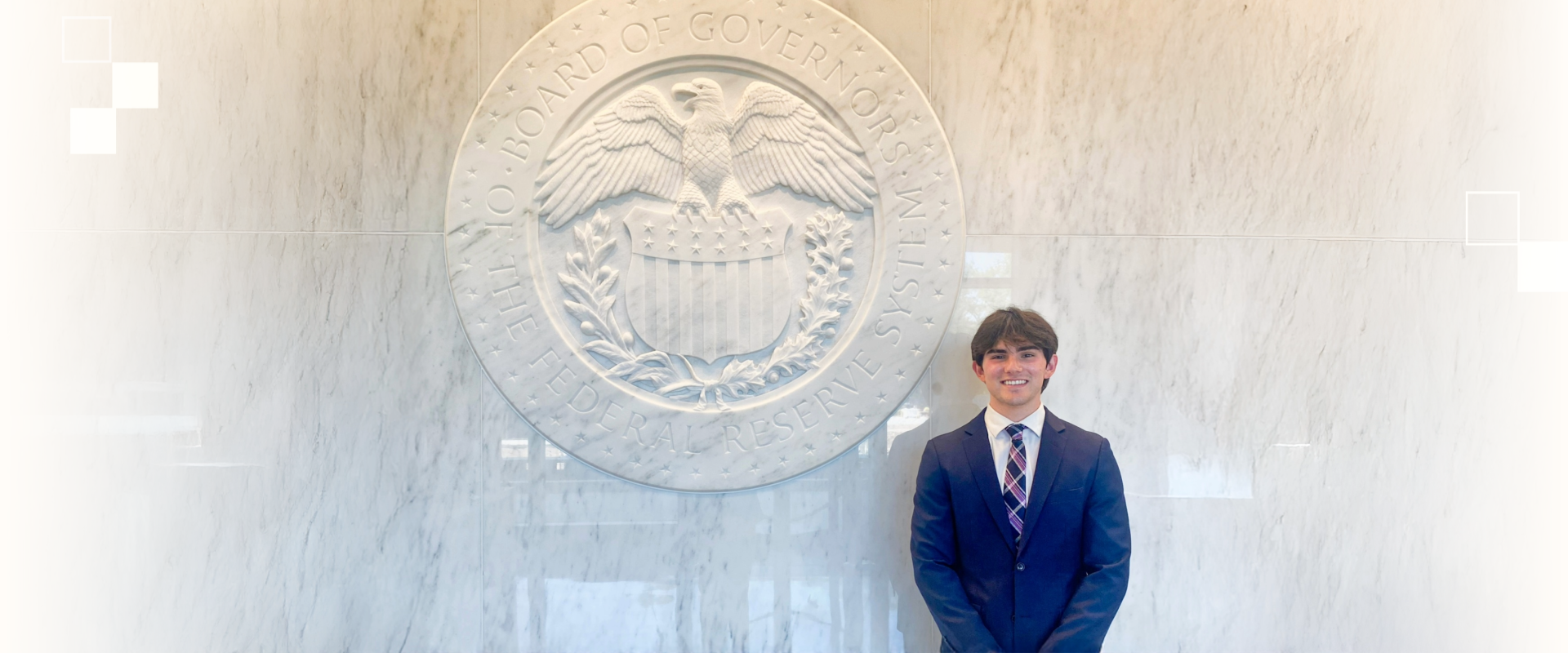
When I think back on how I landed an internship at the Federal Reserve Board in Washington, D.C., it still feels a little surreal. A couple of years ago, I was just another economics student trying to figure out what I wanted to do, and now I am spending a summer working alongside PhD economists in one of the most influential institutions in the world.
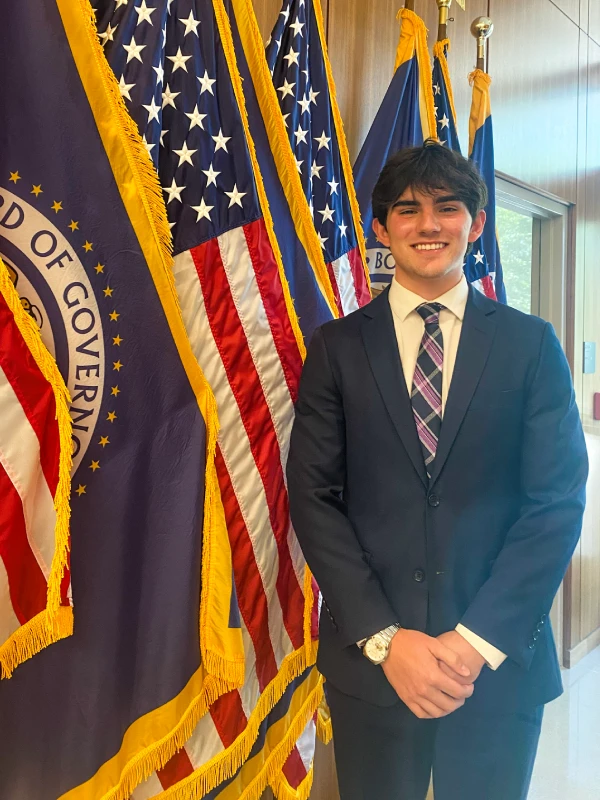
If you are wondering how to land and prepare for an internship like this, I want to walk you through my journey so you can see that such opportunities result from trying new things, putting yourself into environments full of motivated people, and keeping your ears open.
The story starts in my sophomore year, in Intermediate Microeconomics (ECON 340) with Professor Tim Cason. His energy and passion for teaching made me think, “I might like that job someday.”
After discussing my newfound interest in pursuing graduate-level economics with Professor Cason, my friend Christian Lo, whom I’d met in Boilermaker Consulting, encouraged me to apply for the Purdue University Research Center in Economics’ Undergraduate Research Assistantship (UGRA) program. One opportunity was snowballing into others.
My UGRA experience led me to a bigger question: “What could I do in the summer that would let me explore economic research more deeply?” Naturally, the Federal Reserve came to mind — I had read about what they did during COVID and thought it was incredible that people there were applying their profound understanding of economics to steer the economy through a crisis.
The important point here is that the opportunity did not drop in my lap. It started with paying attention to what excited me in class, following that curiosity into research, and then deliberately asking, “What’s the next step that lines up with this interest?” That is a question you can start asking yourself right now.
When I first looked at the Fed’s website, I honestly was not sure they even took undergrad interns. Institutions like that can seem mysterious or out of reach. But when I dug into the postings, I realized they had interns in all kinds of areas, including economic research. I landed on a position that matched what I wanted to explore.
Here is the catch: I did not feel perfectly “qualified.” I was new to the UGRA program and had not even been fully matched with a faculty mentor yet. Ideally, you want a recommender who has watched you do research, and that was not my situation. Still, I knew Professor Cason could speak to my work ethic and performance in a challenging class. He told me he had planned on suggesting I apply even before I asked him for a letter. That served as good confirmation for me to ask him for one. That was a huge lesson: you do not have to wait until you feel “ready.” You need enough skills and experience to make a credible case — but you will never feel 100% complete.
After I submitted my internship application in late October, I waited. Their timeline said interviews would be in November and offers in December. November came and went. I mentally filed it under “didn’t work out” and moved on. Then, in early December — after I had essentially let it go — I got an email: “Federal Reserve internship interview request.” I did a double take.
I was interviewed for specific research projects. Because I had worked with historical data at Purdue, I could connect my experience directly to their needs, both in terms of coding skills and familiarity with data. That reinforced another lesson: even one solid, relevant project can go a long way if you can talk about it clearly.
You do not have to wait until you feel 'ready.' You need enough skills and experience to make a credible case — but you will never feel 100% complete.
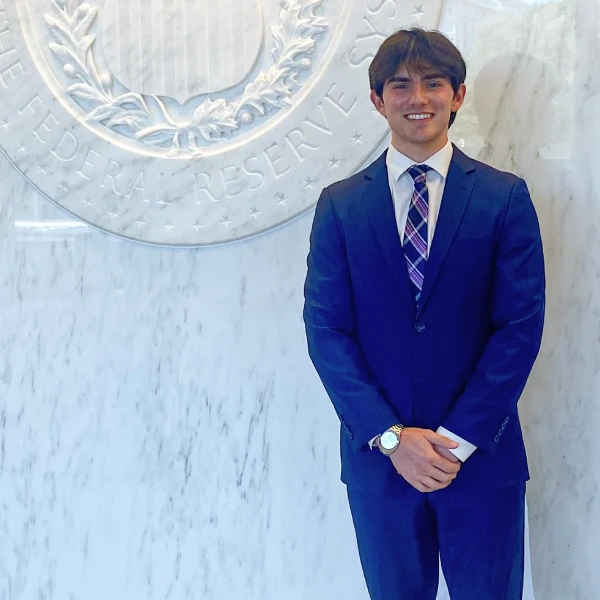
This may be surprising, but the biggest struggle came after the offer. By that point, I already had another internship lined up in Boston that paid more. A lot of students assume that once you “get the dream offer,” the story is over. That’s where decision-making kicks in.
The Fed is a public institution. The pay reflects that reality. The question became very real: do I choose the better-paying private-sector internship, or do I choose the experience that feels more aligned with what I want to explore long term?
I sat with the decision and forced myself to imagine turning down the Fed. Every time I visualized sending that email, it felt wrong. I had this strong internal resistance to walking away from the chance to see economic research at that level. That gut feeling mattered. It did not magically solve the financial tradeoffs, but it gave me clarity about which option I would regret declining.
That was a turning point in developing discernment. Discernment is not just about ranking options by salary or prestige; it is about honestly asking, “Which experience will stretch me in the direction I want to grow?” For internships, especially, experience and exploration often matter more than short-term pay. (For full-time jobs, your calculus might be different.)
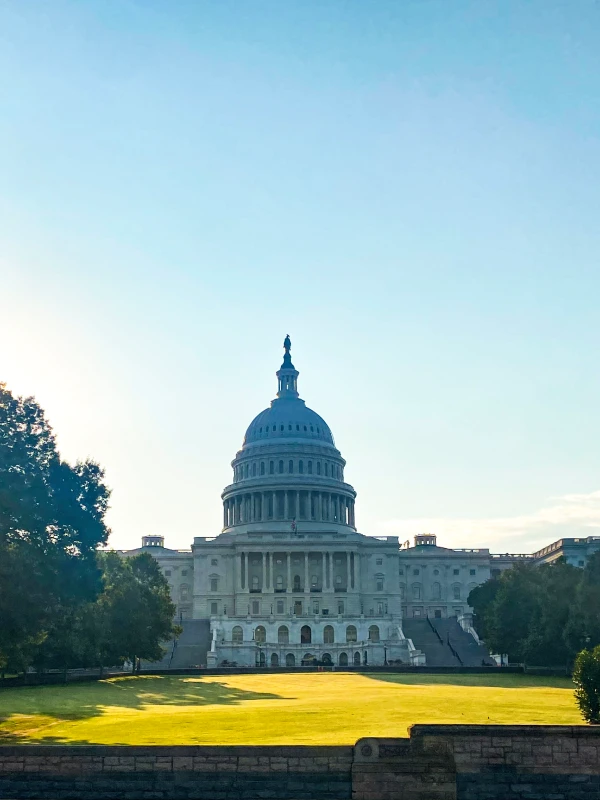
Once I accepted, the preparation split into three buckets: skills, logistics and mindset.
On the skills side, I made sure I could credibly say I was comfortable in the coding languages they use and with working with data. You do not have to know everything, but you do need enough foundation to learn quickly on the job.
Logistically, I had to figure out housing in D.C. I approached it like a research problem: identify options (university housing, other summer programs, etc.), gather key details, and lay them out in an organized way.
I layered in networking — telling people about my internship and allowing them to connect me to others in D.C., including a former UGRA who interned at the Fed and now works at the Treasury. That kind of organic networking made the whole move feel less lonely.
Mindset may have been the biggest preparation of all. I fully expect to experience imposter syndrome. Ironically, I have started to see that as a sign that I am in the right room — surrounded by people who are smarter and more experienced than I am. My goal is not to “prove” that I belong at their level; it is to listen, ask good questions and grow into someone who might one day think at that level too.
Follow your curiosity, do one meaningful thing that aligns with it (like a research program or relevant student organization), and do not disqualify yourself from big opportunities just because they feel out of reach.
After D.C., I'll report back. And I wish you all the best as you prepare for your future internships.
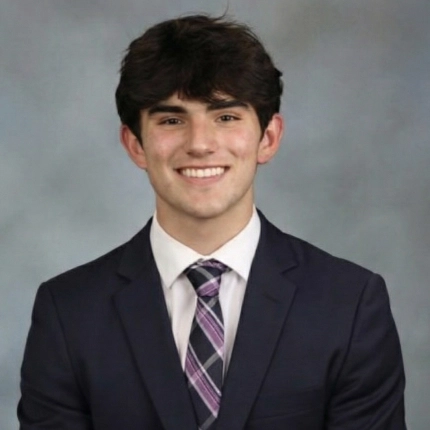
Brady Eggleston is from Hudson, Ohio. He is triple-majoring in Economics, Mathematics and Statistics. As a PURCE Undergraduate Research assistant, he worked with Professor of Economics Mario Crucini to understand the spatial structure of the U.S. economy during the Great Depression. Brady has been active in the Doster Leadership Conference, Boilermaker Consulting, and Larsen Leaders Academy, and was a Griswold Consulting intern.