08-25-2026
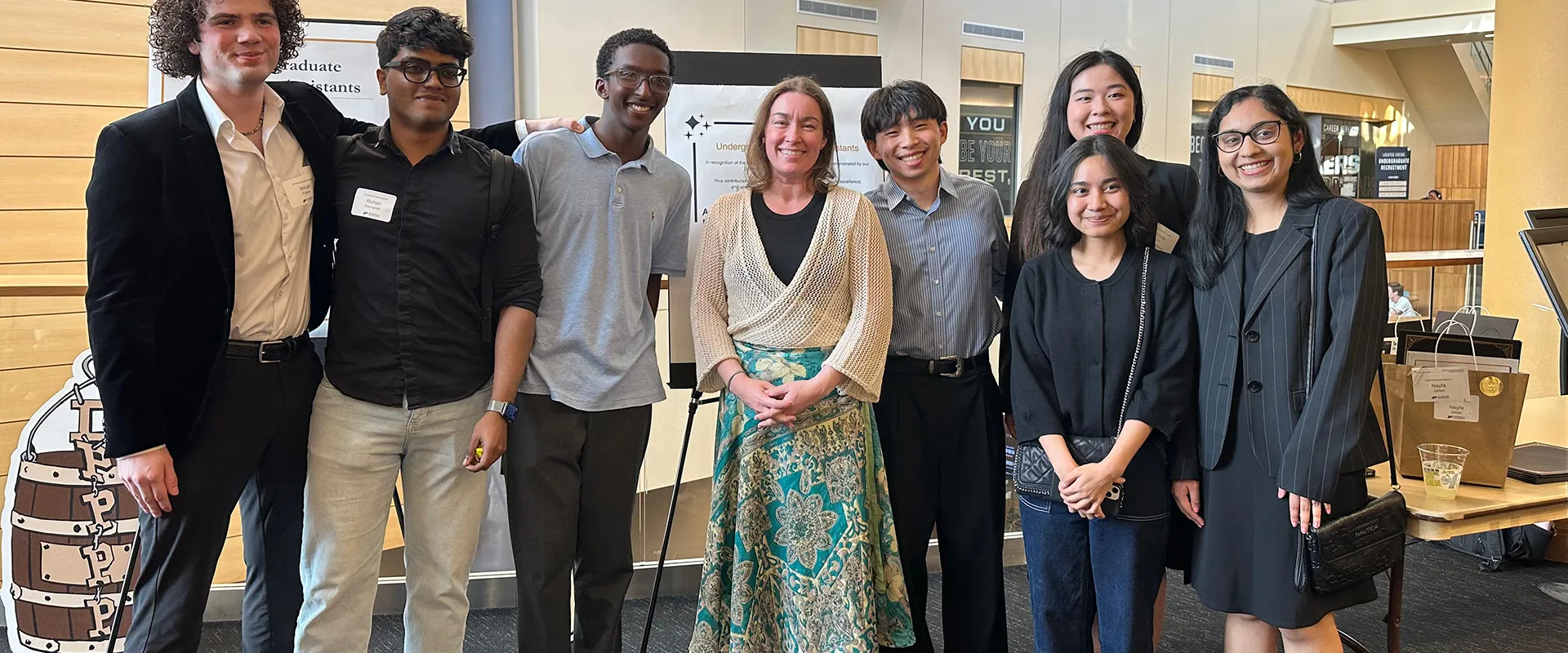
Working as an undergraduate research assistant ended up being one of the biggest reasons I felt ready for my internship at KPMG. I did not realize at first that when I was sitting at the front desk on the third floor of the Krannert Building, saying hi to people, and asking around for any opportunities.
When I first joined the Undergraduate Research Assistantship program, I was dropped into the middle of a giant historical manufacturing data set from the 1930s, full of information on goods, imports, duties and tariffs. I had no idea what I was looking at and no real sense yet of why the data mattered — it was just a task with a deadline and a professor who needed the project to keep moving.
My first job was to help categorize this extremely large data set so it lined up with modern classifications for goods and tariffs, which meant matching old product descriptions to current categories and hoping I was doing it right. A lot of the time, I would try something, get feedback, then “reiterate,” which forced me to explain my logic and adjust based on what I learned, instead of just checking whether an answer was “correct” the way I would for a homework problem set.
One of the hardest parts of research was how open-ended everything felt. As an undergraduate, you see the professor and grad students with all the background knowledge, and your instinct is, “you’re so busy, I can’t ask questions,” or that you should just figure it out on your own.
Over time I had to get over that and lean into the fact that I’m pretty direct by nature. The more I asked, “why are we doing this?” or “what’s the end result supposed to be?” the clearer the motivation behind the work became, and the more confidence I had in my own judgment instead of just completing tasks. That habit of asking for guidance, understanding the “why,” and then being able to walk through the logic “up and down” translated directly to KPMG, where you constantly need to explain how you got from raw data to a recommendation.
At first, I wondered why anyone cared about a 100-year-old data set and what tariffs in the 1930s had to do with the present. As I worked more with the data, I started to see how “the present reflects the past,” and how current policy debates pull from earlier eras like Smoot-Hawley, especially as tariffs have become more prominent again.
My internship work at KPMG focused on understanding the flow of transactions up and down supply chains and how entities within multinational firms create value. Because I had already spent so much time thinking about how tariffs impact goods moving across borders and how policy changes ripple through supply chains, I could follow those conversations more quickly when clients were “very concerned about tariffs” and how supply chain movements could change the flow of goods and services within firms. That domain knowledge did not turn me into an expert overnight, but it gave me a frame of reference that other interns might not have had.
On the soft skills side, research forced me to manage my own work, keep track of evolving tasks, and communicate clearly about partial progress, not just finished answers. I had to explain what I tried, what worked or didn’t, and why I was proposing the next step, which is almost exactly how you talk through issues with a team at a firm like KPMG.
On the technical and analytical side, working with messy historical data, learning to “ask the right questions, do different things to the data, and then look at what you got” helped me build a repeatable process I could carry into my internship. When I heard clients talk about how a new tariff might change their supply chain, I was not just nodding along; I could connect it back to the kinds of patterns I had seen in the research and think more critically about what those shifts might mean in practice.
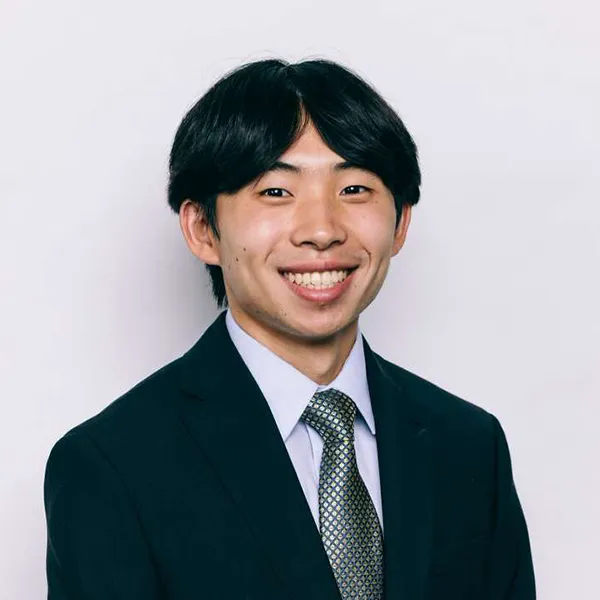
Christian Domingo Lo is from Fishers, Indiana, and majored in economics with minors in mathematics and statistics, graduating in 2026. On campus, he was active in Boilermaker Consulting, where he served as a project manager and later as a board member, and in the Economics Club, which connects students with economics-focused events, research opportunities and conversations with faculty and PhD students. Lo accepted a full-time position with KPMG.