11-17-2026
Business students are taught to measure value constantly.
We measure profits, labor productivity, efficiency, etc. We learn how to assign numbers to outcomes and determine the worth of something based on a dollar amount. As an economics major, this way of thinking has become second nature to me.
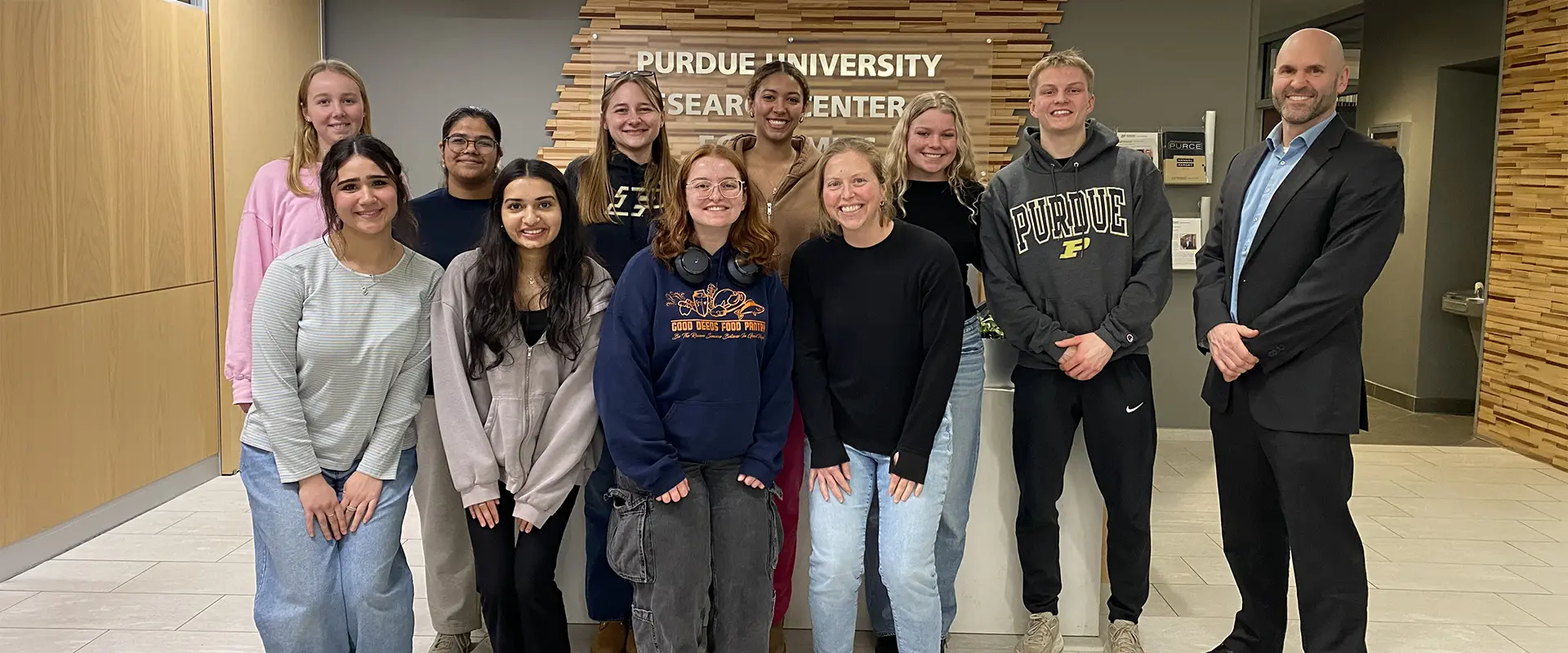
The Women in Economics Club (WEC), a student organization I participated in while an undergraduate at Purdue, partnered with Lafayette Urban Ministry (LUM), a local nonprofit organization that provides food pantry and homeless shelter services to the community. After WEC was founded in 2025, our sponsor, Professor Jillian Carr, guided our partnership with LUM through a research project where we analyzed data, hosted biweekly seminars and provided volunteer support.
After spending time attending the joint WEC and LUM seminars and volunteering with LUM, I began asking myself a different question:
What happens when some of the most valuable things cannot be measured at all?
At first glance, Purdue students and members of the local unhoused community may seem to have little to nothing in common. We met with Dawn Baldwin, a Purdue alumna. She was homeless for 10 years after battling schizophrenia. This hometown hero told us her story. After volunteering and getting to know Baldwin and others who use LUM’s services, I stopped searching for differences and started noticing all the ways we are similar. There is so much that cannot be measured, and LUM takes the steps to collectively address those things.
I often volunteered at LUM's emergency homeless shelter alongside Karis Pressler, PhD, who said during one of our seminars, “The real reward is going to organizations like LUM and being with the people they’re serving and learning from them.”
At the end of the day, we are all searching for the same things: safety, connection, dignity, purpose and community.
One of the most meaningful moments I experienced while volunteering at LUM came from a simple conversation about hair. I connected with a young woman over the challenges and routines that come with textured, natural hair, and for a moment, everything else disappeared. The differences that seem to separate us, the labels of one being a guest and the other a volunteer, or any assumptions we may have about one another ceased to matter once we found that we shared something in common.
That interaction stayed with me because it reminded me how much details matter. Human connection is often built through the smallest moments of shared experiences, mutual understanding and the feeling of truly being seen by another person. From then on, I approached volunteering differently and purposely sought out ways to listen to others and relate.
During our seminars, several speakers shared personal stories, advice or information that continued this theme of what value truly means.
The business school's Kelly Blanchard encouraged us to “frame this experience through the lens of being a business school student but also being a human being.” That distinction mattered. In business education, it can be easy to get caught up in the mechanics of college life such as grades, productivity, internships, networking and salaries. Yet experiences like working with LUM force us to step outside those metrics and focus on humanity itself.
That idea of “humanity” appeared again and again throughout seminars and conversations.
The experience at LUM and the community compelled us to empathize and understand these people’s circumstances. It takes a certain level of courage and strength to seek help, and my job as the volunteer was to make guests feel loved and valued.
LUM Director of Food Programs Lisa Sultemeier and volunteer Shirley Robertson explained that their work is rooted in offering people second, third and fourth chances if needed. They emphasized that there is no judgment. They simply respect others for their humanity.
“We’re just neighbors helping neighbors,” Sultemeier shared. There was no judgment in the way they spoke about the community they serve — only compassion, recognition and acceptance.
Wise words from Robertson.
That idea changed the way I viewed service. Supporting the community is not a one-sided exchange where one group gives and another receives. As Pressler explained during our seminar, we are “supporting the community while also receiving from the community.” There is wisdom, resilience and perspective to be gained from simply listening to people’s stories, especially those who might have been through hardship. There is so much to learn from others, and I would not have had the chance to form such an affinity for this community had I not gone and volunteered consistently in person.
Another speaker, Homeless Services Director Mason McConnell-Curry, described the shelter environment as “uplifting” and said the experience gives one “profound respect for people who are experiencing homelessness, because I’ve seen them not only survive, but thrive and build things.”
That perspective matters because society often reduces people to statistics, and the things they build and the things they create might not be able to be measured.
We talked about how many pounds of food were distributed, how many volunteers participate, or how many families used community services. Those numbers are important, but they do not fully capture the value organizations like LUM bring to society.
How do we measure dignity?
How do we quantify kindness, generosity, friendship or the feeling of being accepted?
Maybe we cannot.
Maybe the real value lies in the conversations shared over dinner tables, the trust built between strangers, and the reminder that every person — regardless of circumstance — deserves to feel respected and seen.
The more time I spent at LUM, the more I realized there is no “us” and “them.”
I often reflect on this experience in my everyday life as a new member of the workforce. I have begun to look beyond what people show you and have started finding connection with them. LUM has left me with a valuable perspective that I hope to continue carrying throughout my life: that there will always be value in building community and recognizing that worth exists beyond what can be measured.
We are all curious creatures desperately seeking connection and looking for a place to put our love.
Perhaps this is where the value lies. Perhaps the value is not in measuring anything, but in connecting and taking the time to really see others. Sharing those aspects of humanity is when we all really begin to feel valuable.
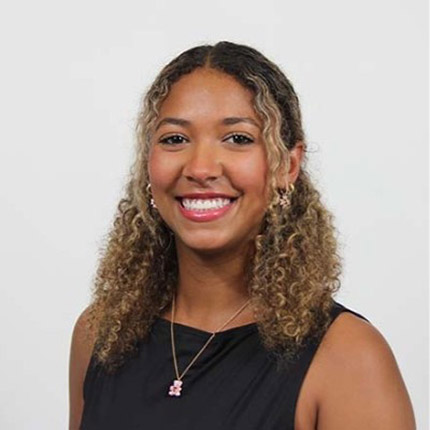
Larysa Pagel (BS '26) is from Chandler, Arizona. She majored in economics and minored in political science. She was a founding member of the Women in Economics Club, the vice president of Black Data Processing Associates and a peer mentor for the Disability Resource Center. She is an accounts receivable administrator for Hajoca Corporation in Lafayette Hill, PA.

