04-24-2026
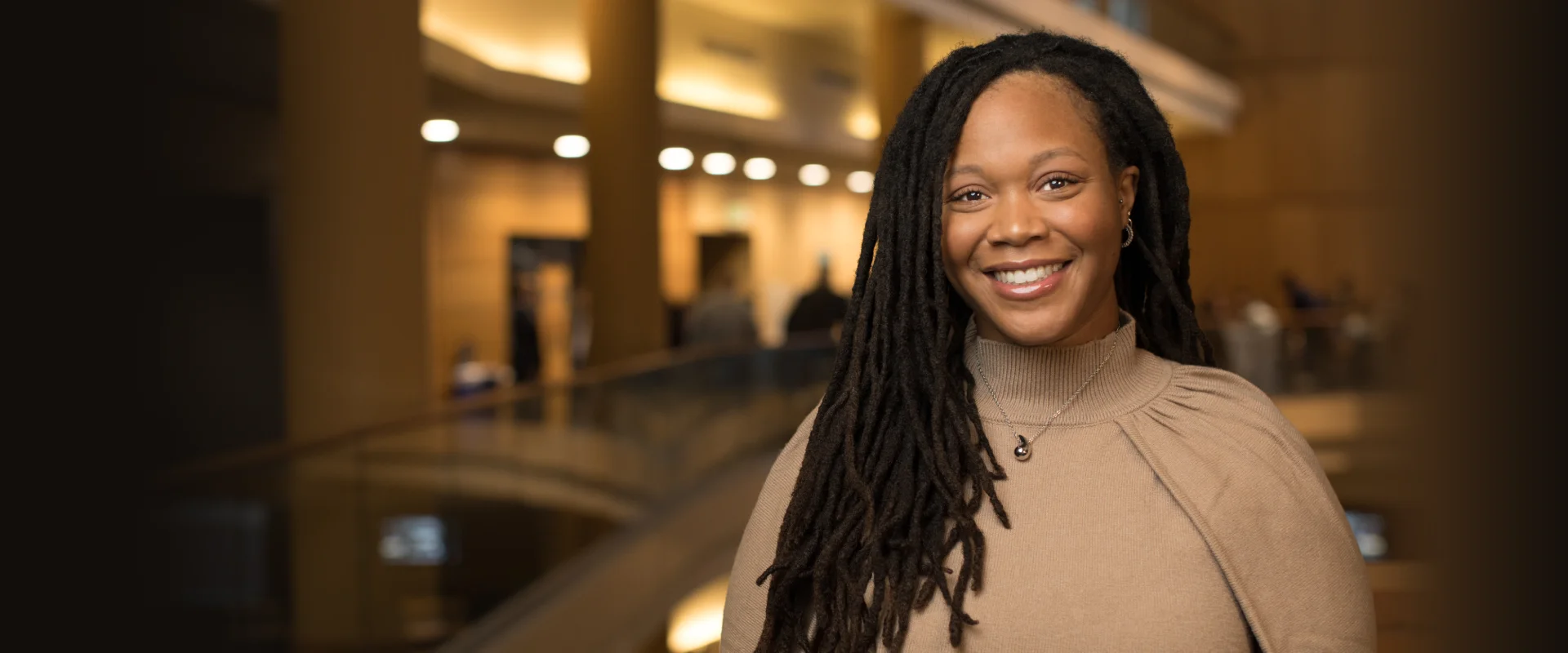
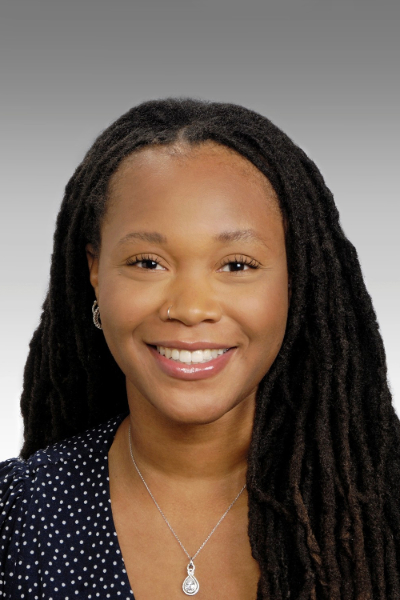
For years, a single Post-it note lived on Valerie Barnes’s fridge. The Post-it read: Vice President of Human Resources.
“That was my goal, and I wrote it there to remind myself every day,” she shares.
Over time, the note evolved and wording changed, but the intention behind it never did. Long before she stepped into leadership, Barnes had already decided where she wanted to head.
Like so many careers, Barnes’ didn’t follow a straight line; instead, it zigged and zagged. She began in sales at a furniture store, from where she pivoted into a workforce agency, stepping into recruiting.
“I got the chance to cross-train and see different parts of the business, which helped me understand how everything connects,” she reflects. It was here that her trajectory began to take shape because she gained exposure to different functions. With time, she started to see how interconnected business roles can be and how important it was to understand them exactly like that — as a whole.
Later, she moved into more technical and operational spaces, supporting engineers with data-driven insight. “That role really sharpened my analytical skills, but it also taught me about company culture and how decisions actually get made,” Barnes recalls.
Barnes earned her Master of Human Resource Management online from the Daniels School of Business, which prepared her to move through these pivots in her career smoothly. “My Purdue degree gave me the confidence to step into roles that might have felt out of reach otherwise,” she says.
Barnes recalls a time in her journey when she was navigating complex labor relations — something she explains as “not on my bingo card.” Unexpectedly, as part of her work, she needed to start considering unions, labor regulations and employee relations in completely new ways. She also applied these concepts through the climate assessments she conducted and policy she interpreted. These climate assessments often functioned similarly to an employee sentiment survey, helping her gauge workplace culture in real time.
“It expanded my scope in ways I didn’t anticipate,” she notes. While most people would resist this change because it was unfamiliar, Barnes leaned into it. “I saw it as a chance to build on what I knew and add layers of insight,” she says. This proves to be the secret behind her growth — a relentless desire to push through and add value in new roles even when things were unfamiliar.
Looking back on her journey, Barnes notes that she “always focused on impact.”
Her approach reflects the principles of a strong succession planning framework, and especially today, in a world increasingly driven by AI, Barnes advises new HR professionals to value staying connected — "Stay connected to people, to research, and to each other, because that’s how you maximize impact,” she explains.
If there’s one thing to take away from Barnes’ journey, it’s this: Her leadership and HR career path are strengthened through pivots, saying yes to unfamiliar (and unexpected) opportunities and a willingness to deliver results irrespective of circumstance. And sometimes, it starts with something as small as a Post-it note on a fridge.
If you would like to receive more information about pursuing a business master’s at the Mitch Daniels School of Business, please connect with us and a program specialist will be in touch!