03-11-2026
Your Type Z Community concept for Ziploc reimagined a household brand through the lens of identity and belonging. How did your MSM coursework equip you to translate data insights into compelling creative storytelling for this project?
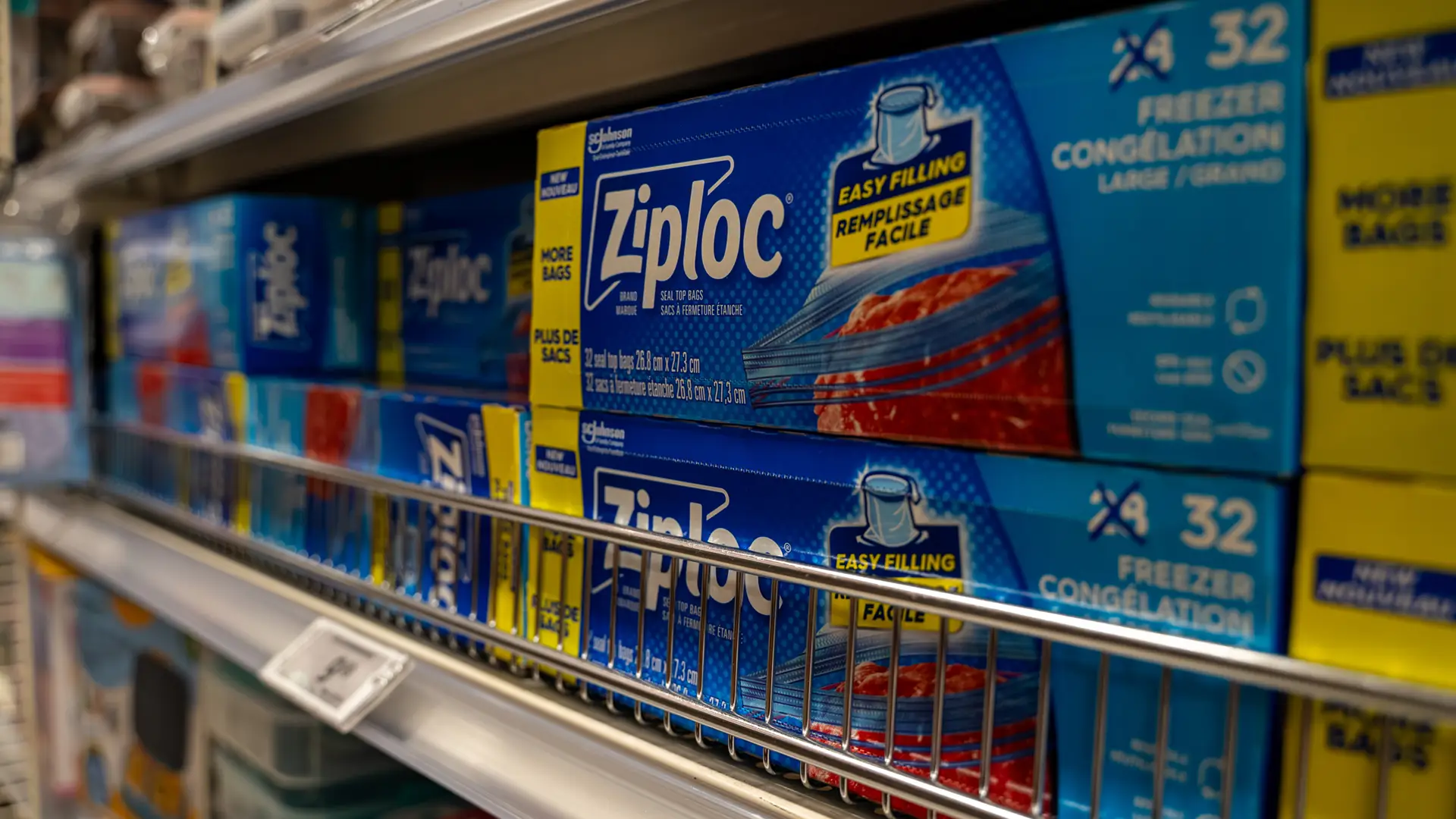
The MSM program pushed us to start with research before settling on an idea, especially since our rubric required us to explain and defend how our brand community was grounded in shared consciousness, rituals and moral responsibility. We knew it couldn’t be just creative — our ideas had to be supported by evidence and theory. Before we even started inventing Type Z, we conducted 90 days of social listening, ran Google keyword searches, reviewed the Meta Ads Library, and audited Ziploc’s presence across TikTok, Instagram, Reddit and Facebook using social intelligence platforms.
We analyzed audience demographics and platform performance metrics, including engagement rates, views, EMV, brand mentions and past partnerships, while also examining competitors, controversies and audience sentiment. This ensured our concept was distinct, defensible and data-driven. Our coursework in consumer culture theory helped us translate these insights into a structured brand community with defined roles, ritual chains, cultural artifacts and legitimation practices. Every creative decision was grounded in behavioral data. Since our team included professionals with prior industry experience, we approached the project like an agency pitch, considering potential weaknesses such as greenwashing, evaluating our idea’s cultural relevance, competitive threats and how to deliver long-term brand equity. We wanted Type Z to be not just exciting but credible.
The Ziploc campaign leaned on understanding behavioral patterns — routines, habits and small wins. How did you use data or analytics to inform the development of those audience personas and rituals?
Once we identified patterns, we focused on how behaviors manifest in real life — not just our own use, but how others incorporated Ziploc into daily routines. We discovered engagement was strongest around meal prep, storing non-food items and creative hacks, showing Ziploc was embedded in everyday systems. Demographics were eye-opening. Some assumed the audience skewed older, but analytics showed 62% of Ziploc’s social audience is 18–34, with the rest being older yet surprisingly active on TikTok. This guided platform prioritizes, letting us refresh the brand for younger consumers without alienating longtime customers. It shaped personas like Creative Organizers, Meal Prep Gurus and Adulting Kinda members, all based on real behaviors. Instead of forcing new trends, we structured existing ones: Sunday resets, midweek productivity posts and small wins. This is how Midweek Micro Wins came to life.
The MSM program emphasizes the intersection of measurable strategy and emotional branding. How is that balance shaping your readiness for a career in brand management or strategy consulting after graduation?
Since I plan to pursue a career in creator marketing, the MSM program has been invaluable in giving me classroom practice in connecting strategy with storytelling. It taught me to develop ideas that are creative yet backed by data, essential for pitching RFPs to brands or talent. Beyond planning and ideation, the program strengthened my public speaking and presentation skills. Presenting strategies to professors and peers taught me to defend my logic clearly, handle pushback, and explain the “why” behind creative decisions. Through strategic planning, community building and presentations, my confidence has grown significantly, reinforcing my readiness to step into the field.
If you would like to receive more information about pursuing a business master’s at the Mitch Daniels School of Business, please connect with us and a program specialist will be in touch!