
07-20-2026
When Professor Xinde (Cinder) Zhang assigns projects for the AI Leadership in Finance course, he says he’s rehearsing students “for what finance teams will look like in a few years — humans and AI agents working side by side, with the human's job being judgment, architecture and accountability rather than execution.”
This semester, all four teams deployed multi-agent financial platforms in seven weeks. Heramb Patkar, Jiahe Miao and Ilian Zalomai led with maturity when beginning the project. They created the Cross‑Asset Spillover Monitor, a web‑based AI finance tool to help investors see how shocks in one market can ripple through the rest of their portfolio. The monitor answers a concern that many family offices and high‑net‑worth investors have: “If something big happens to one asset I own — like gold or oil — what does that do to everything else I hold?”
Starting from a common pain point in portfolio risk management, the team built an AI agentic tool that helps investors with portfolio diversification. It shows assets actually interact when geopolitical risk and market volatility spike. If gold prices jump or energy prices fall, the system looks at how similar moves have historically influenced related stocks, bonds and international positions, then estimates how today’s change might play out across the whole portfolio.
To do this, they built a proprietary geopolitical risk score for countries and regions that blends macroeconomic and political signals and updates almost in real time. The terminal can look back at how commodities and equities behaved during past periods with similar risk levels and use those patterns to frame what might happen under current conditions.
On top of that, they added a supply chain risk module powered by an IMF API. It tracks how many ships are passing through global choke points like the Strait of Hormuz, the Suez Canal and the Panama Canal. When ship traffic slows or spikes, the system links those changes to oil prices and related assets, then shows how that disruption could spill over into the user’s specific holdings.
"The hardest part wasn't the code. It was deciding where the human should stay in control and where the agents could run. That tension ended up shaping the whole design."
Heramb Patkar Accenture (BSM '96)
Behind the scenes, seven specialized AI agents act like junior teammates: one pulls data, one updates risk scores, another analyzes spillovers, another drafts trade ideas, and so on. When agents disagree, a feedback loop tries to reconcile their outputs; if it cannot, the system escalates the decision to the human user. The human stays “in command,” acting as quality control and aligning the recommendations with their specific mandate and risk appetite.
Functionally, this is a smaller, more focused cousin of what large investment firms access through a Bloomberg terminal. It does not try to cover every asset class, data feed or analytics module. Instead, it concentrates on cross‑asset and geopolitical risk, plus a targeted set of commodities and equities, in a format a small team can actually use. That makes it particularly marketable for family offices, wealth management firms and sophisticated retail investors who want institutional‑grade risk analytics and AI‑powered portfolio insights without paying for a full Bloomberg license.
The team is exploring what it means to bring their product to market, which fulfills Zhang’s challenge to Purdue MS Finance (MSF) students. Zhang expects students to go beyond what other graduate programs teach. Don’t just learn to use AI tools someone else built. Create and lead hybrid teams that ship innovative products.
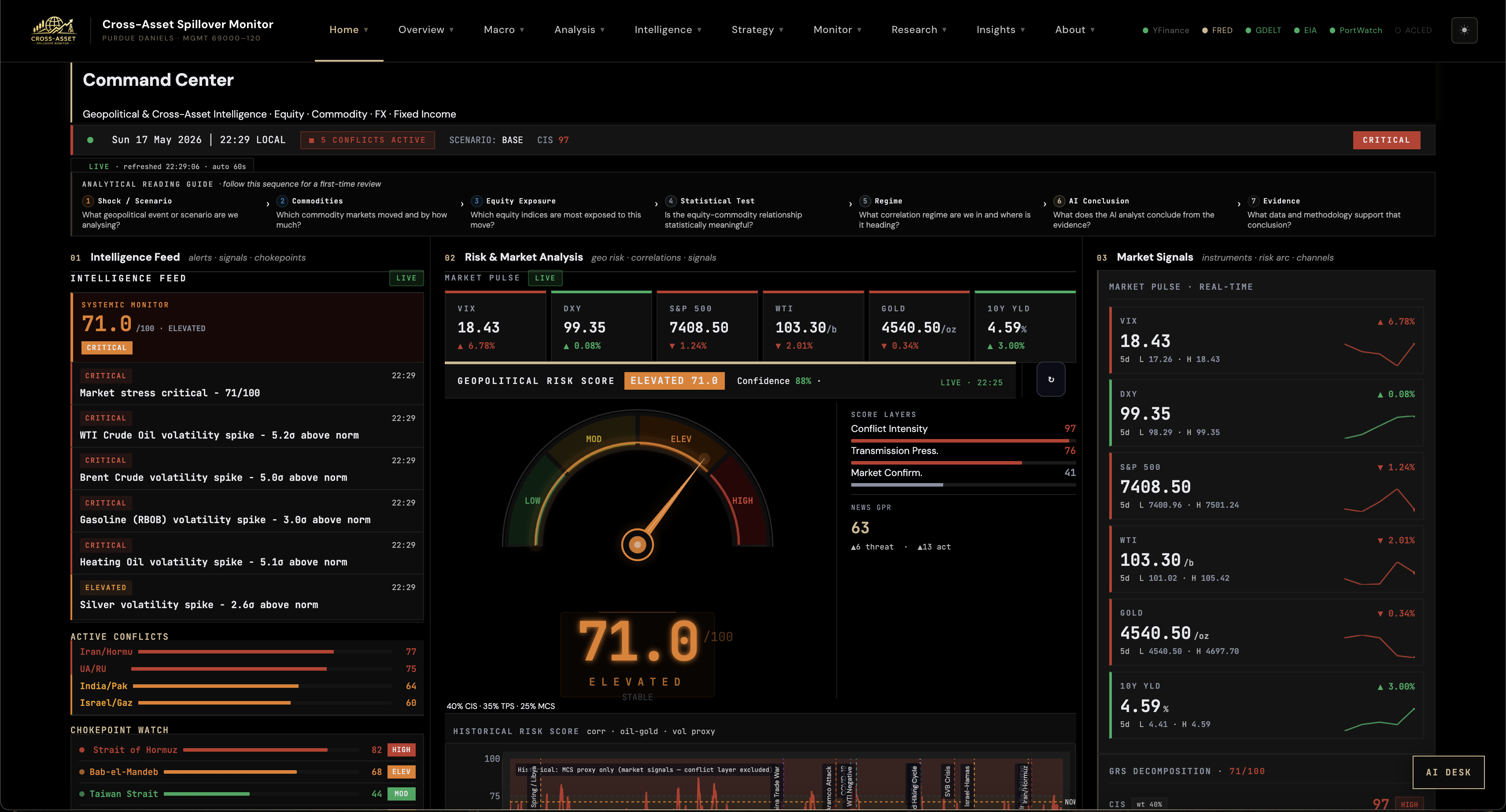
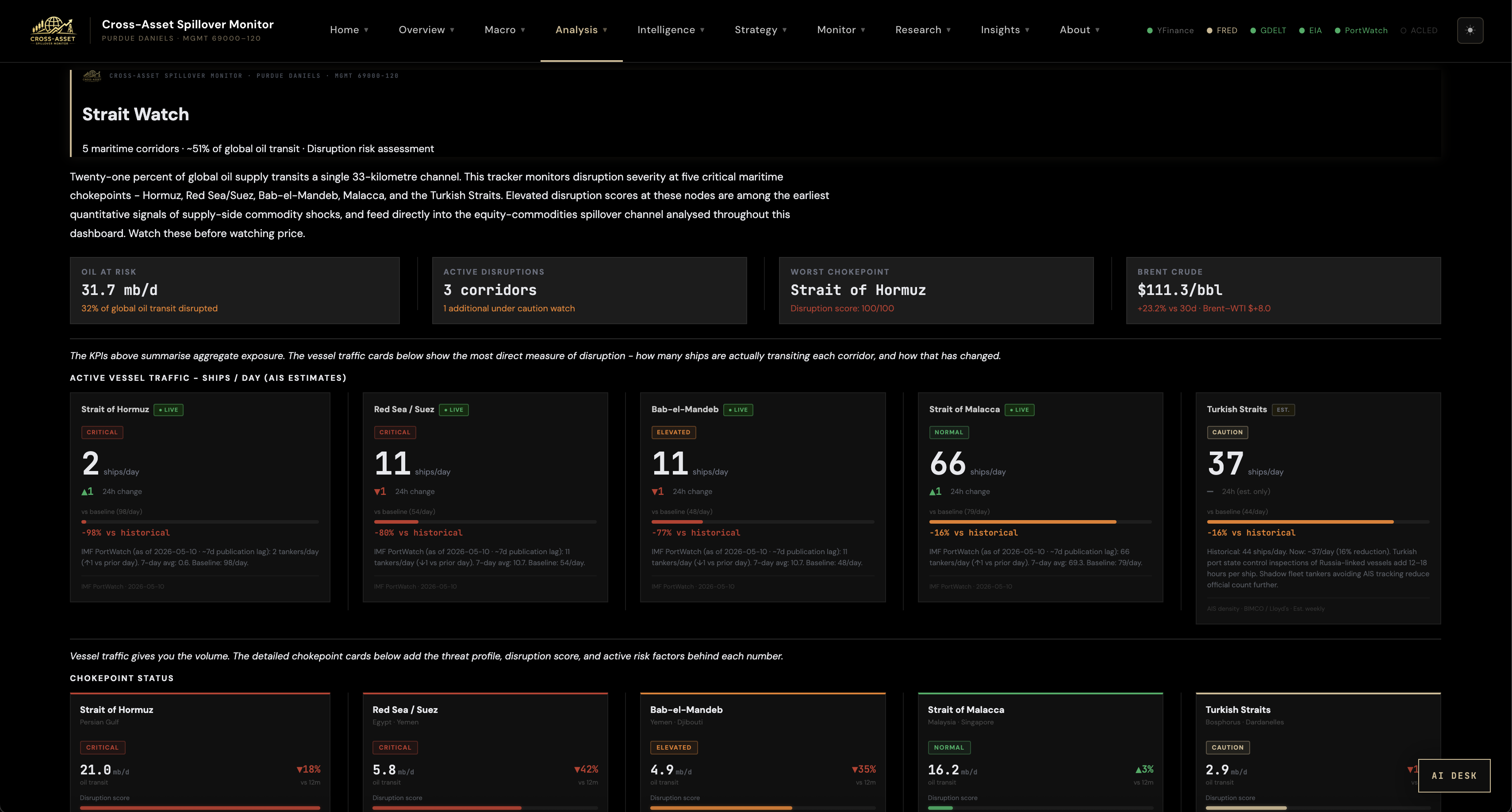
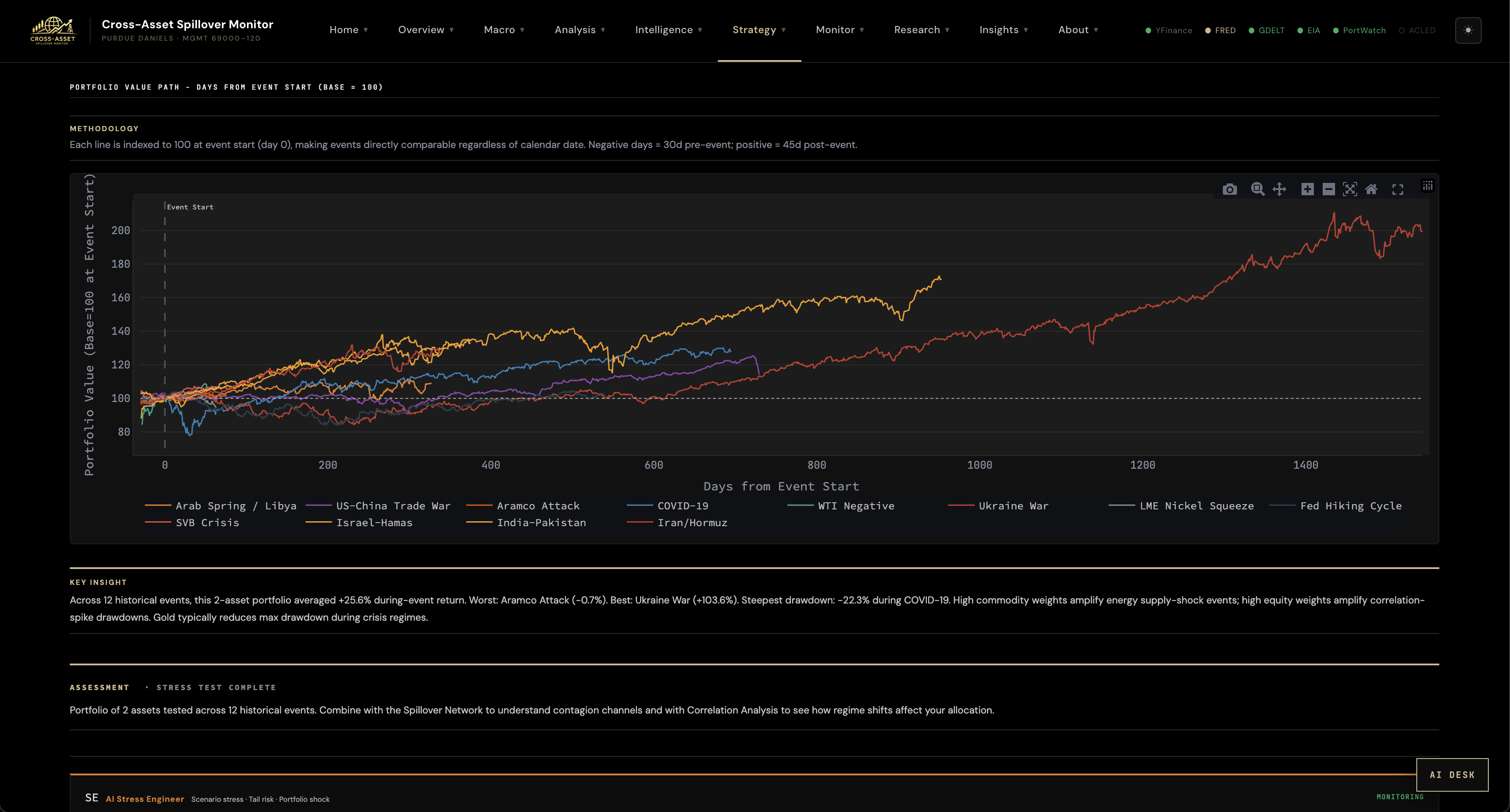
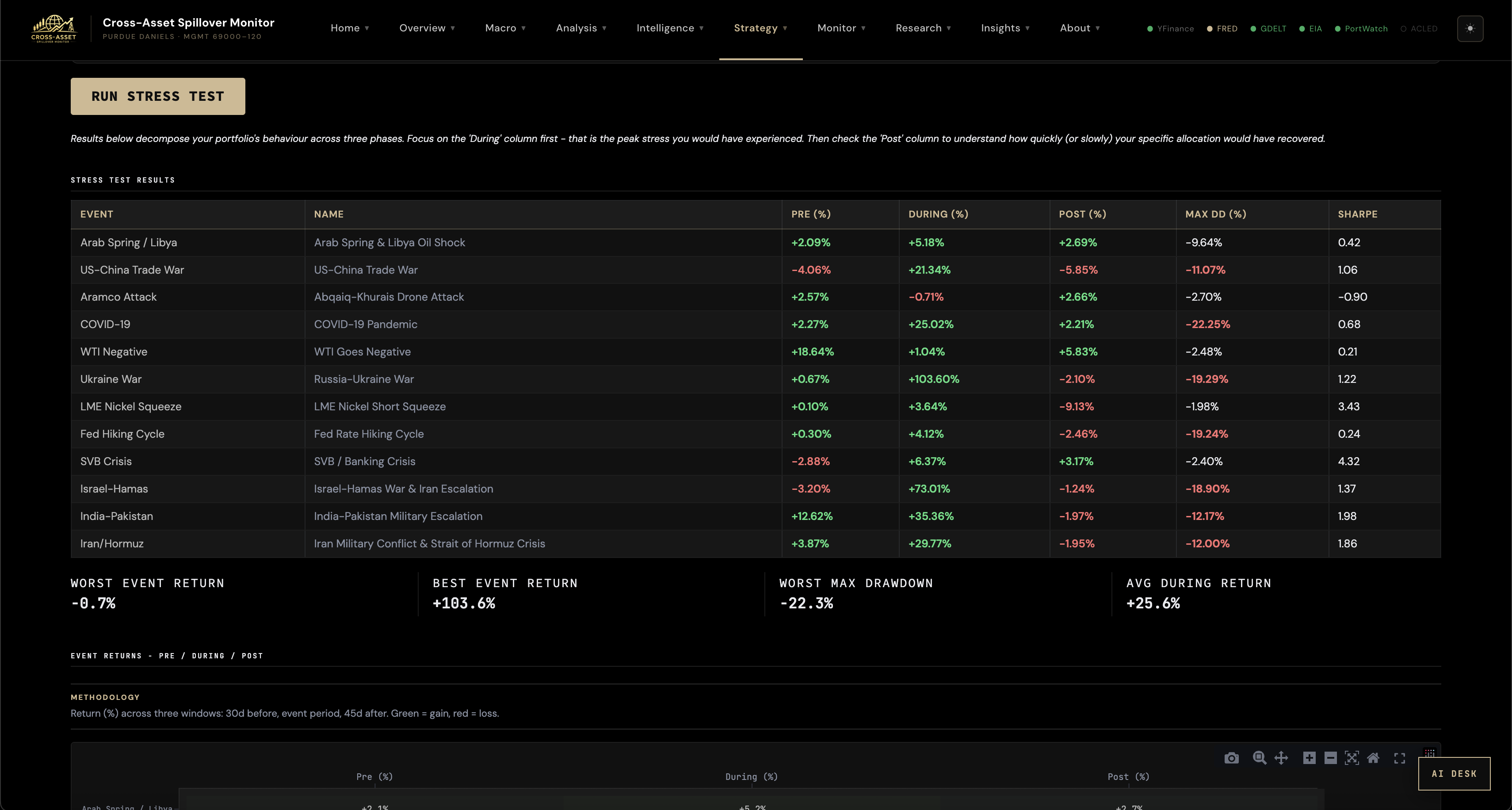
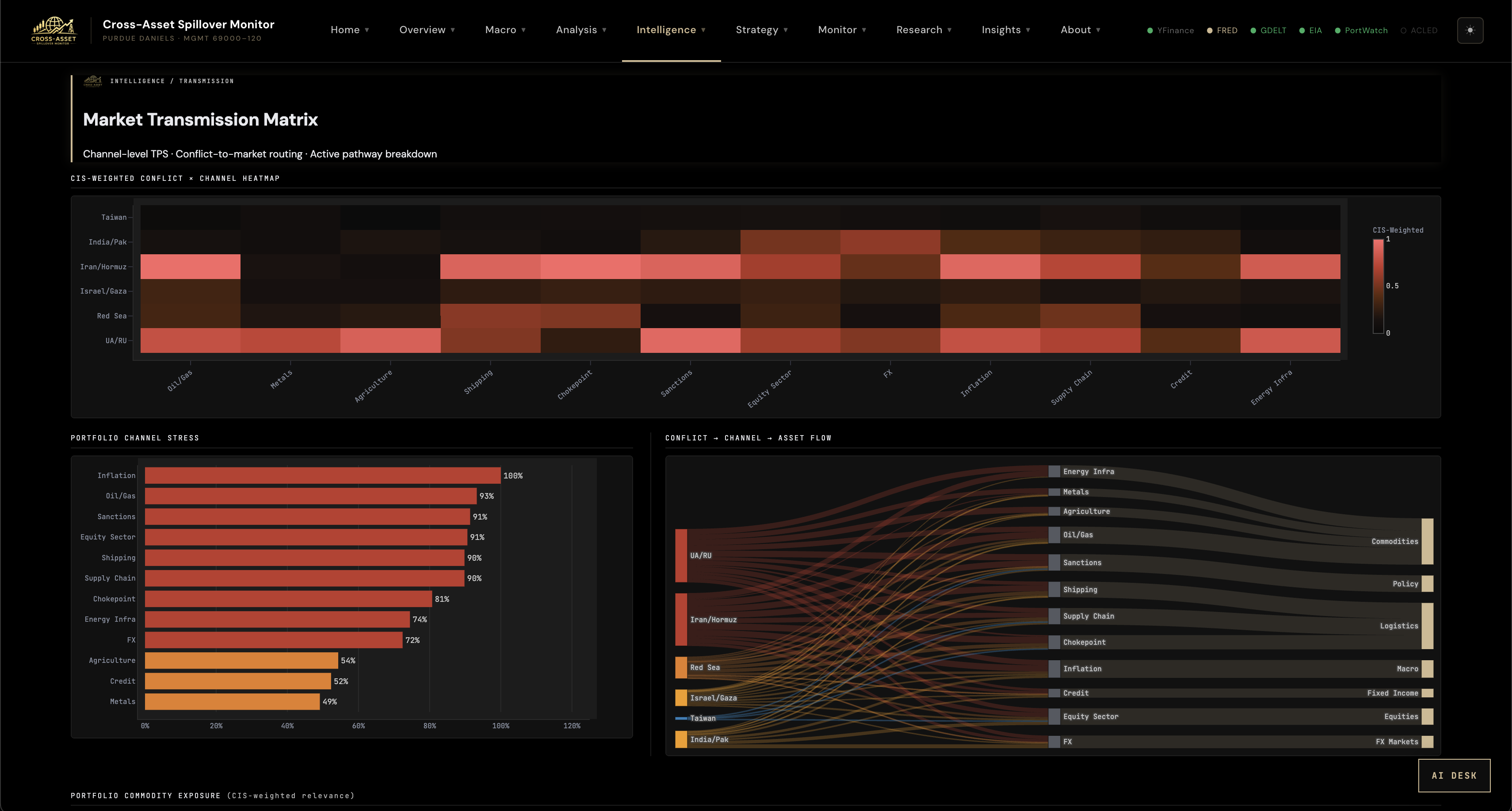
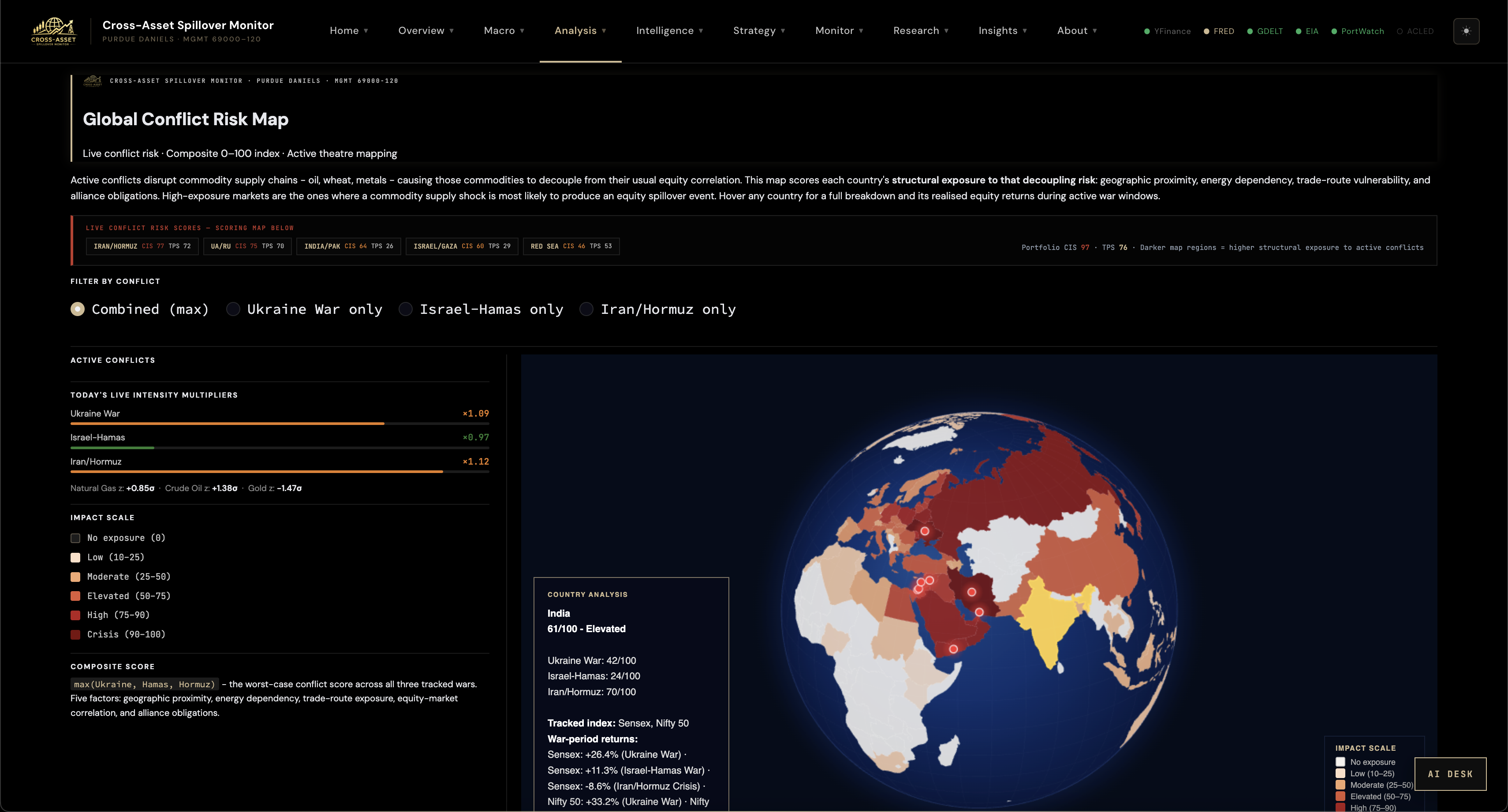
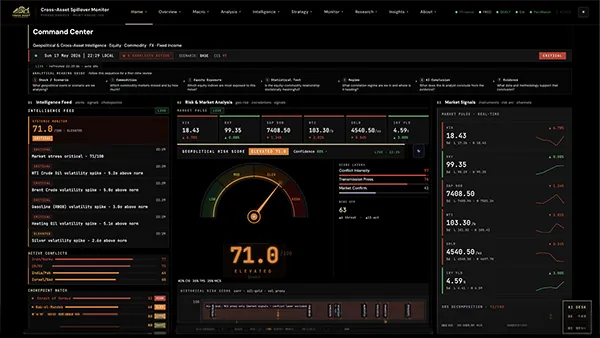
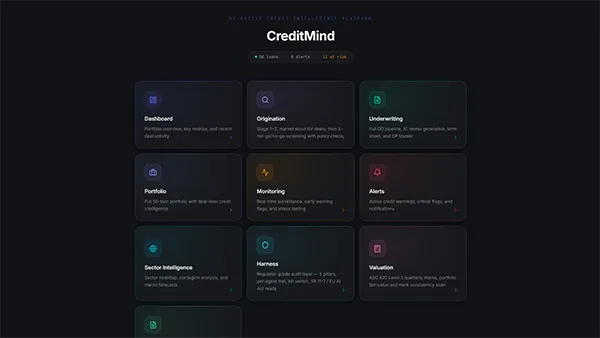
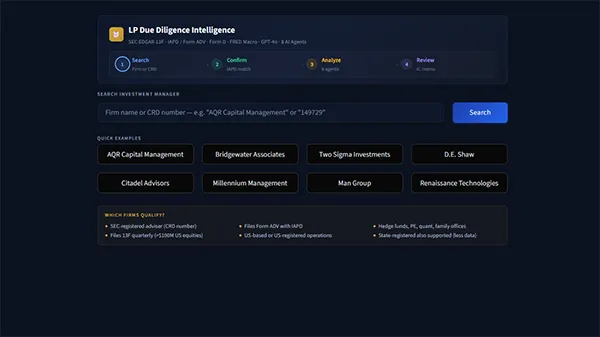
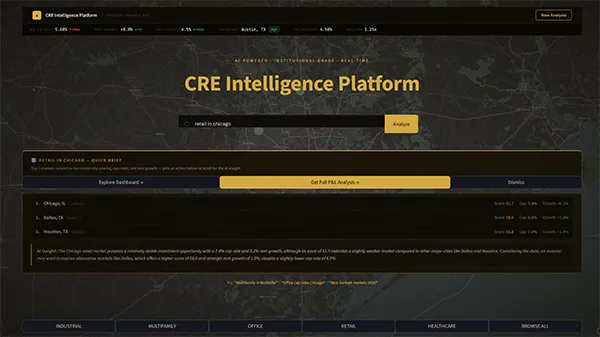
Screenshots of the students' AI coded interface
Zhang constantly tweaks the curriculum for currency. This year he and the students covered the live frontier of how AI is being deployed in finance right now: AI harness systems (the harness is the product, not the model), the YC G-stack for building agentic products, AI-as-Chief-of-Staff workflows that working professionals are already running, and Claude Code as teammate No. 0 with specialist agents hired around it.
As Zhang says, “Most peer MSF programs are still on prompt engineering. We're two layers or three past that.”
Zhang frames his class around an operating system called DRIVER. DRIVER’s six stages prevent failure and he describes them as:
Each team in Zhang’s course “shipped products of comparable depth in different domains,” he says. The cross-spillover asset team began with great maturity, which gave them a headstart, notes Zhang. But, “the other three caught up fast. The catch-up is the real story. It's what the course is built to do.”
If you would like to receive more information about pursuing a business master’s at the Mitch Daniels School of Business, please connect with us and a program specialist will be in touch!