12-18-2025
The Daniels School of Business Master of Finance (MSF) program graduates professionals with peerless technical mastery. But the journey to career success depends not just on what you know, but on how you communicate, connect and grow as a professional.
Employers routinely praise Daniels School master’s candidates for outstanding analytical ability, technical fluency and data-driven expertise, but faculty like Fabrício d’Almeida work to elevate master’s students’ industry social intelligence — professionalism and communication that rises to industry standards. For international and domestic students alike, a lack of “fit” can hold back advancement, regardless of grade point average or technical abilities. Faculty and staff in the Department of Finance help students cultivate their soft skill set.
Finance is a relationship-driven field, and Wall Street in particular expects advanced interpersonal skills from graduate students. The compressed timeline of a one-year master’s program makes it vital to work on networking, writing and the subtle arts of business relationships.
“Networking skills are necessary for MSF students to learn because the market expects them to be at a higher level. They have only one year to learn those and we want to support them,” says D’Almeida.
Networking is only one of the essential soft skills that sets apart job applicants.
Clear, confident communication — especially in interviews and professional settings
Relationship building — beyond “asking for a job,” engaging alumni and industry leaders with curiosity to grow professionally
Self-presentation — demonstrating your human side and transferrable skills behind your technical resume
Adaptability — navigating unfamiliar professional cultures and new career paths
“Who are you, beyond your CV?” companies now ask. In a market where technical tasks are more easily automated, your personality, team attitude and curiosity make you stand out.

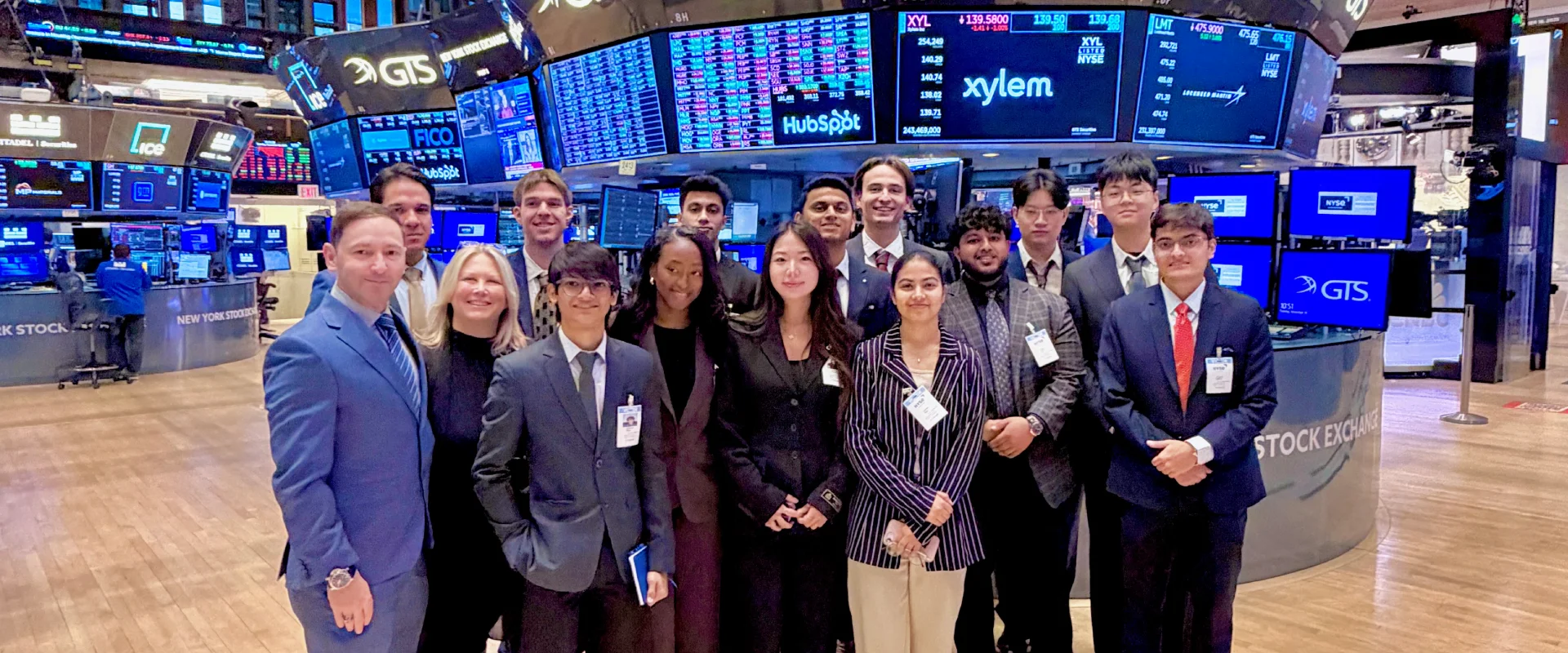
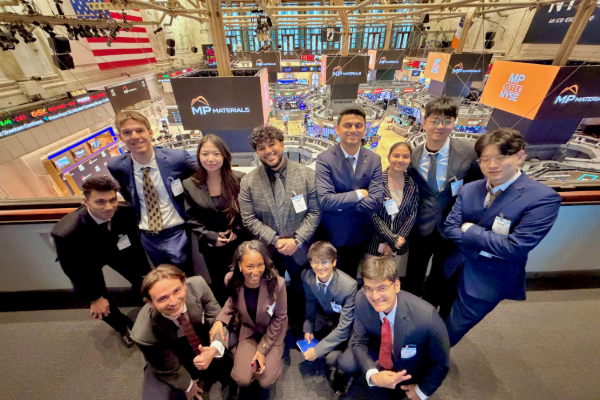
The Daniels School finance program goes beyond classrooms, sending students to cities like New York and Chicago to meet employers, alumni and industry peers. These trips rarely come with guaranteed job offers; they are designed as immersive networking opportunities to help students understand real workplace cultures and spark connections. Networking is not just a buzzword — it’s the bridge between academic learning and professional belonging.
To prepare, MSF students complete assignments designed to sharpen their networking skills, such as researching alumni backgrounds and preparing thoughtful questions before each event. The informal interactions — conversations over coffee or lunch, sharing stories about life and work — are just as crucial as formal interviews. Students learn about varied career paths, from investment banking to fintech startups, expanding their sense of what’s possible with a master’s in finance.
Attend networking events with intentionality — research and prepare, listen and share your story.
Seek out alumni for informal chats — focus on learning.
Reflect on feedback from company visits and group activities, adjusting your approach as needed.
Build your LinkedIn profile and CV with advice from career services, showcasing both hard and soft skills.
Engage in reflection exercises after networking to capture lessons and set future goals.
One of the greatest resources in any master’s program is the alumni network. The Daniels School’s MSF trips exemplify this, gathering graduates at happy hours and company visits. Alumni are not just contacts — they are partners giving back and paying it forward with advice, referrals and honest assessments.
On a previous trip, one alumna — now working for EQT, a Swedish private equity firm — shared how she bridged her experience in food science and pizza delivery to demonstrate adaptability, salesmanship and the ability to work without oversight in her finance interviews. This blend of hard-earned experience and soft skills led directly to a position at a leading firm, proving that the human element matters.
One of the students who heard the story reflected on that lesson. When she prepared for her own interview with Goldman Sachs, she practiced communicating her transferable skills and landed the job.
Lasting success begins with technical expertise, but the ongoing development of communication, humility and the ability to build real trust in the professional world takes work. Take full advantage of networking trips, soft skill workshops and alumni engagement opportunities. Begin building your career connections early and watch them multiply throughout your graduate journey and beyond.
This is where a master’s in finance truly pays dividends — helping you become not only the smartest candidate but also the most memorable professional in the room.
If you would like to receive more information about pursuing a business master’s at the Mitch Daniels School of Business, please connect with us and a program specialist will be in touch!